
Kitten Care Guide
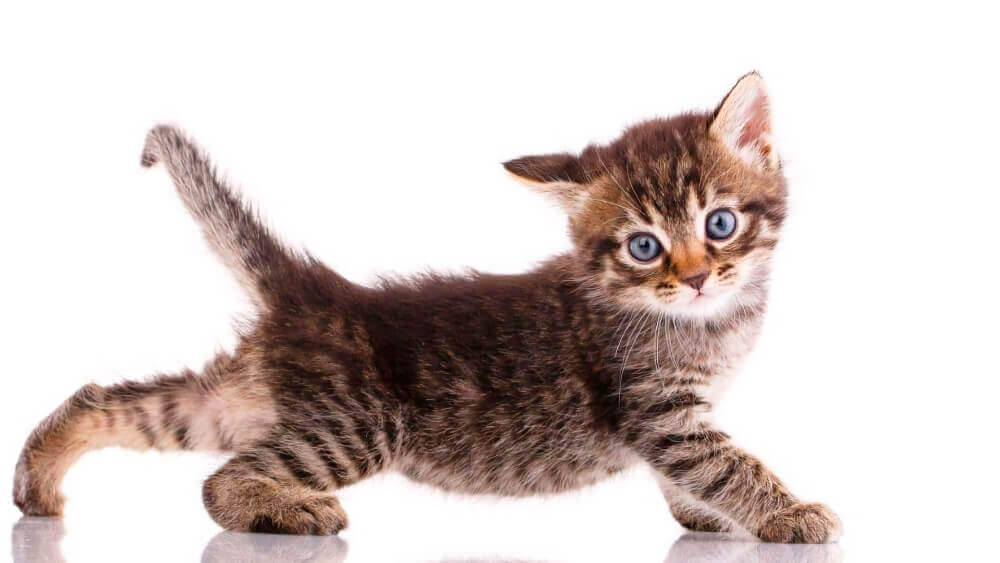
Congratulations on your new kitten. The first few months set up a lifetime of good health, and there are really only two things to get right early on: staying on schedule with vaccinations, and starting the right diet.
Vaccinations
The general kitten vaccination schedule starts at around eight to nine weeks of age. Staying on schedule matters — each dose in a series builds on the one before it.
8–9 weeks
First visit
FVRCP — required. This covers:
- FVR — feline herpesvirus
- C — calicivirus
- P — panleukopenia
12–13 weeks
Second visit
- FVRCP — required, second in the series
- FeLV (feline leukemia) and FIV — highly recommended
We also recommend sending a fecal test to the lab at this visit to check for intestinal parasites, along with giving a dewormer.
14–16 weeks
Third visit
- FVRCP — required, third in the series
- FeLV/FIV booster
After this, FVRCP and FeLV continue on a yearly schedule.
Why the boosters matter
A single vaccination produces a modest antibody response that fades. The booster is what drives protection substantially higher and keeps it there. This is why skipping or delaying a dose in the series leaves a kitten less protected than the schedule intends — it isn't simply a repeat of the first shot.
Food Recommendations
Wet food is best. Cats evolved to get most of their water from food, and starting on wet food early builds a habit that supports urinary and kidney health for life.
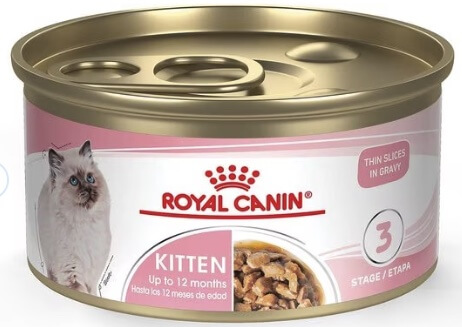
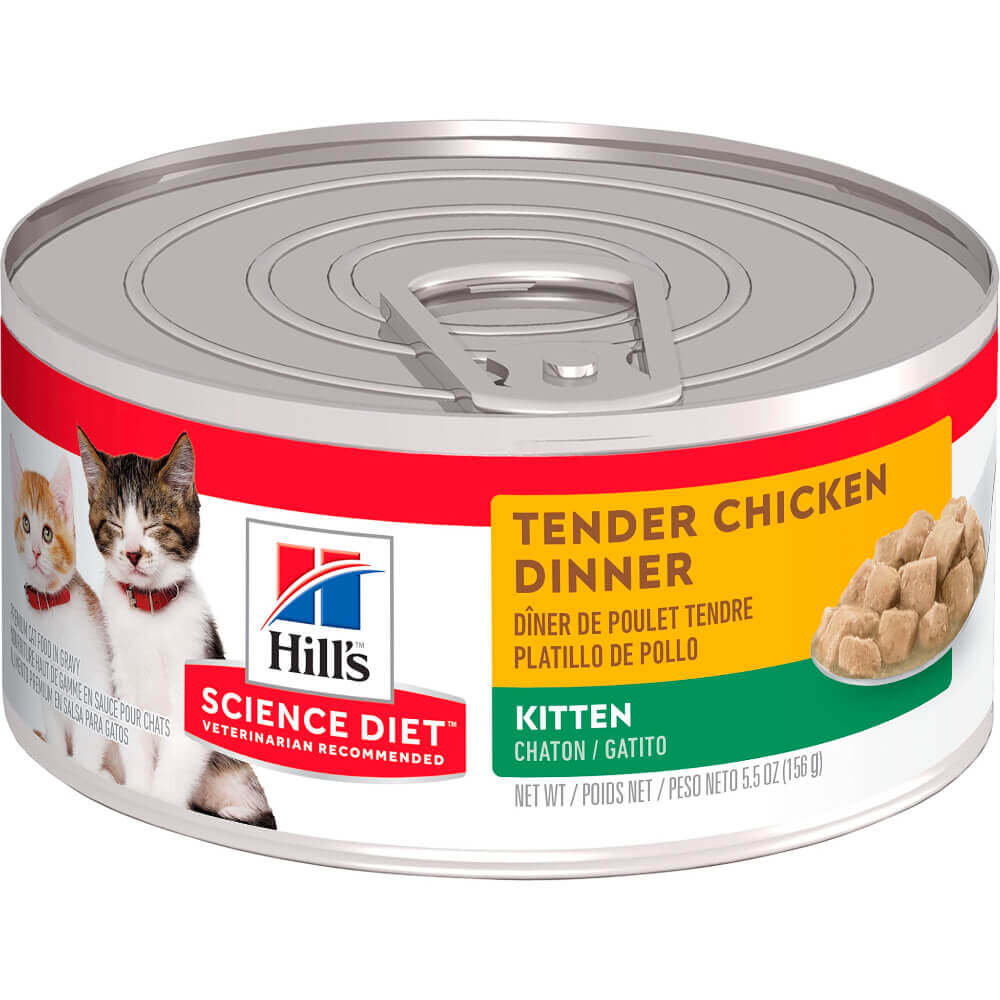
To kickstart your kitten's nutrition we recommend Royal Canin or Hill's Science Diet in a kitten formula. Kitten-specific food isn't marketing — growing cats need considerably more calories and protein than adults.
Weight becomes something to keep an eye on from around eight months onward, as growth slows but appetite often doesn't.
For very young kittens
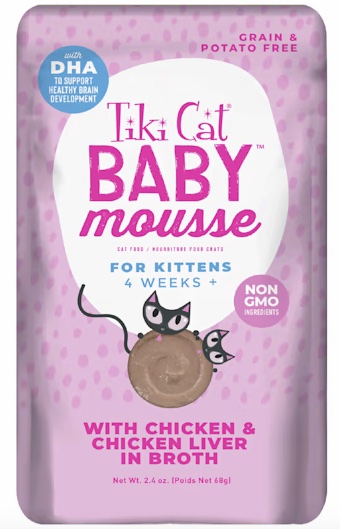
Mousse-textured foods such as Tiki Cat Baby Mousse are formulated for kittens from around four weeks, when they're first moving off milk and can't yet manage chunkier textures.
For orphaned or bottle-fed kittens
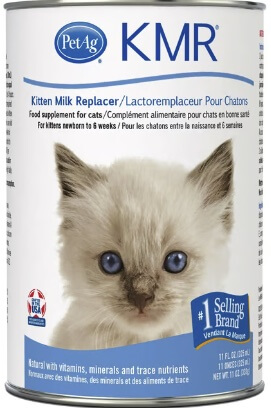
A kitten milk replacer such as KMR is used for kittens from newborn to about six weeks. Never give cow's milk — kittens can't digest it and it causes diarrhea.
Changing Foods: Go Slowly
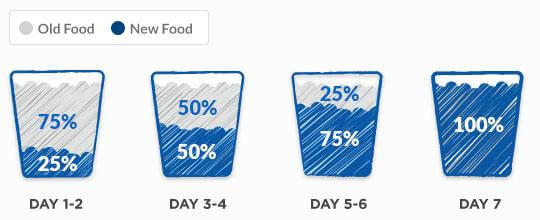
Always transition to a new food slowly. Switching abruptly is one of the most common causes of an upset stomach in a new kitten, and it can put you off a food that would otherwise have suited them well.
A seven-day transition works well:
- Days 1–2: 75% old food, 25% new
- Days 3–4: 50% old, 50% new
- Days 5–6: 25% old, 75% new
- Day 7: 100% new food
Ready to book your kitten's first visit?
If your kitten is around eight weeks old, now is the time to start. We'll set up the full schedule so you don't have to track it yourself.